The Ultimate Guide to Commercial Odour Contol.
Take your facility from "peeew" to "yeeew!"
Spray enough air freshener at a bin room and you'll get lemon-scented rubbish. The smell's still there — you've just added a second one on top.
XO2 has been solving Australian facilities' odour problems since 1968 — Australian made by us and Australian owned, not imported and rebadged. Here's the thing: odour control only works when you deal with the source, not the symptom. In this guide is everything you need to diagnose the problem, pick the right product, and make it work.

What causes bad smells?
Biological Growth
Bacteria, germs and mould decompose (or eat) organic matter like food, waste, moisture. When they feed on that stuff, they can let off a nasty smell.
Surface Absorption
Porous materials like carpet, timber, concrete and unsealed grout hold smells. If you only clean the top, the gross smelly stuff stays trapped deep inside.
Infrastructure Issues
Sometimes smells hide in places you can't see, like inside air conditioning vents or in drains that have dried out.
Environmental Factors
Our hot, humid weather is like a megaphone for smells. It makes them stronger and helps them travel faster.

Where do bad smells come from in a commercial facility?
Bad odours in a commercial facility almost always come from one of 6 places:
Washrooms and urinals
Everyone hates those over powering poop smells and ammonia from urine breaking down on grout, tiles and porcelain.
Bins and garbage areas
These smells are most commonly caused by bacteria feeding on organic waste, especially in warm weather.
Drains
Smells from trapped and rotting organic matter including grease, hair and food scraps. Struggling septic systems are often the cause of drain smells too..
Carpet, upholstery and curtains
Bad smells are often held in fibres and fabric caused by moisture, spills, pet accidents, grease, oil and general foot traffic.
Cooking and chemicals
This includes cooking odours, cleaning products, paint, new carpets, synthetic fragrances, new coatings and other smelly materials.
General air quality
Poor ventilation, damp conditions, air conditioning system issues (and lack of maintenance) or just heavy use in a small space can cause persistant smells.
How odour control technology actually works.
There are 3 primary approaches on the market, and they're all very different.

Masking (The Cover Up)
This type of product covers one smell with a stronger one. Cheaper, temporary, doesn't touch the cause. Air fresheners are a common type.

Neutralising (Antimicrobial)
A formulation combining a neutraliser that destroys existing bad smells with an antimicrobial agent that kills the bacteria causing those smells.
Enzymatic / Bio-active
Uses enzymes and pro-active bacteria to break down (or digest) the organic matter causing the smell. Common in bin, drain and urine treatments.
Find the right product for the problem.
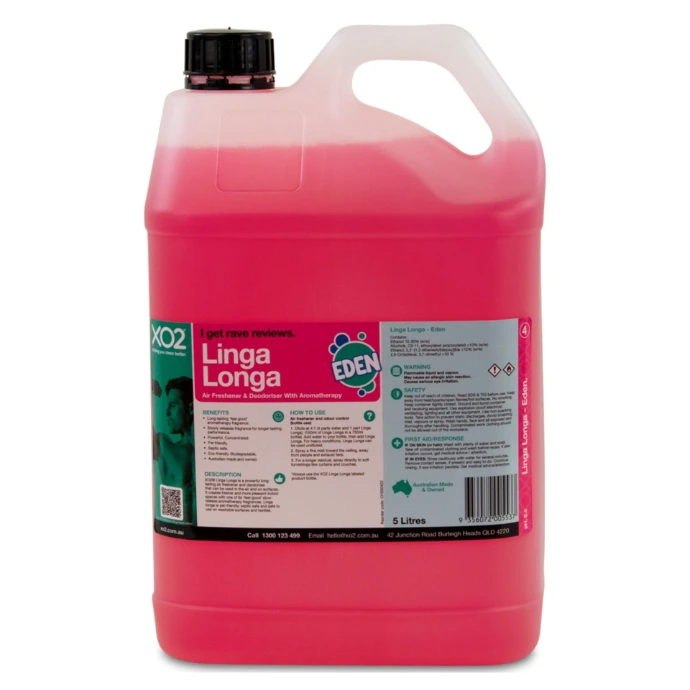
Problem:
General air freshening
Best for: Offices, reception areas, foyers, common spaces.
Best product: Linga Longa + Aerosan
XO2 Category: Air Fresheners & Deodorisers
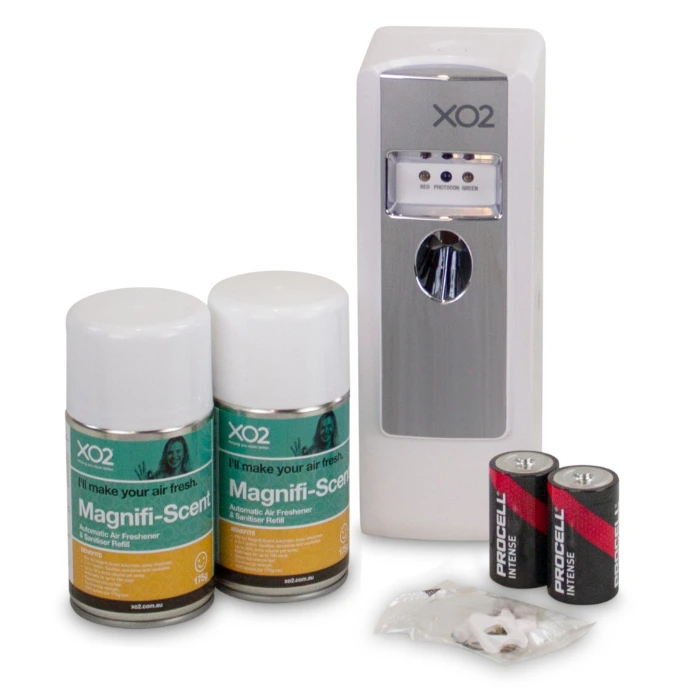
Problem:
Set-and-forget air freshening
Best for: Washrooms, corridors, foyers
Best product: Magnifi-Scent + Smart-Release
XO2 Category: Automatic Air Fresheners & Dispensers
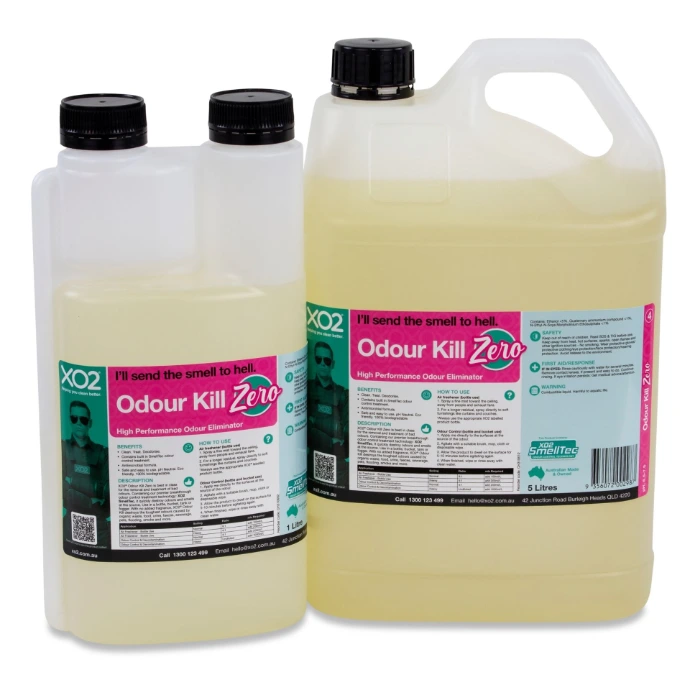
Problem:
Bin and garbage odours
Best for: Bins, garbage chutes, waste rooms, kitchens, loading docks
Best product: Odour Kill + Sanifresh
XO2 Category: Bin & Garbage Area Odour Eliminators
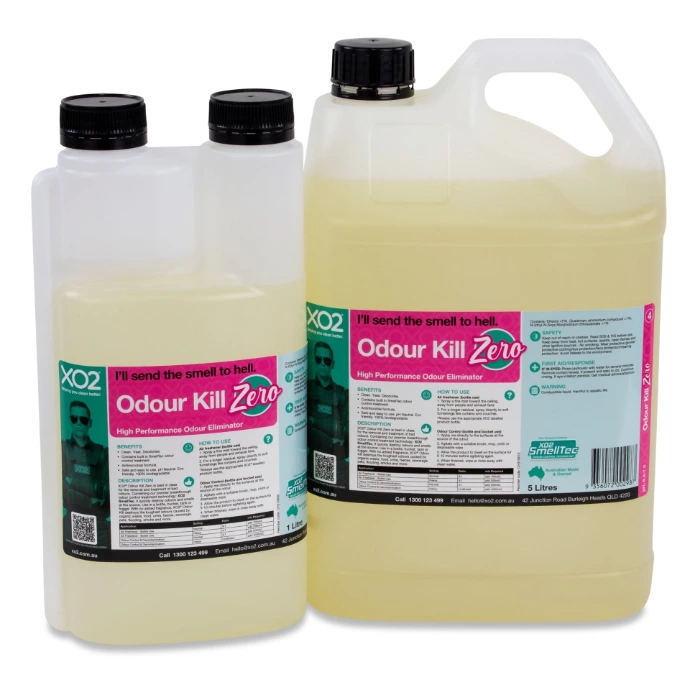
Problem:
Carpet and fabric odours
Best for: Hotels, homes, offices, gyms, restaurants
Best product: Odour Kill + Oradicator
XO2 Category: Carpet & Upholstery Deodorisers & Odour Neutralisers
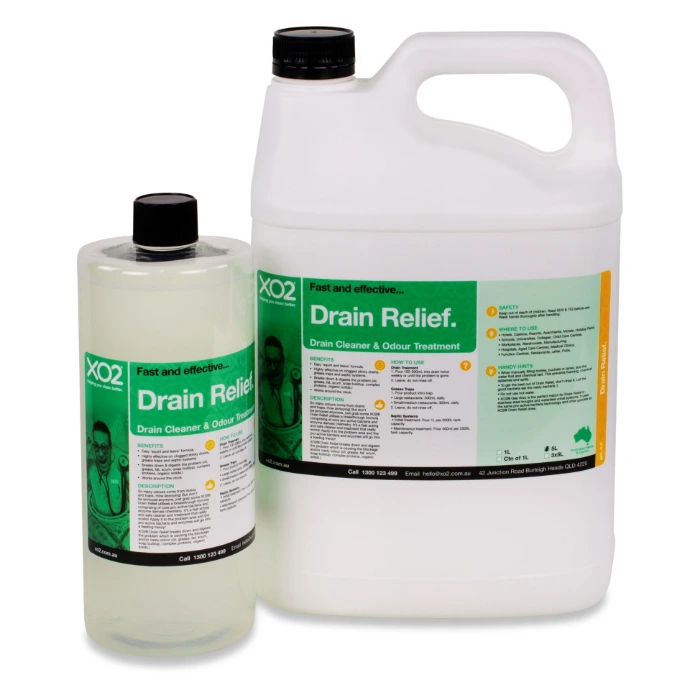
Problem:
Drain odours
Best for: Kitchens, washrooms, plant rooms, septic systems
Best product: Drain Relief + Septic Solver
XO2 Category: Drain Cleaners & Odour Eliminators
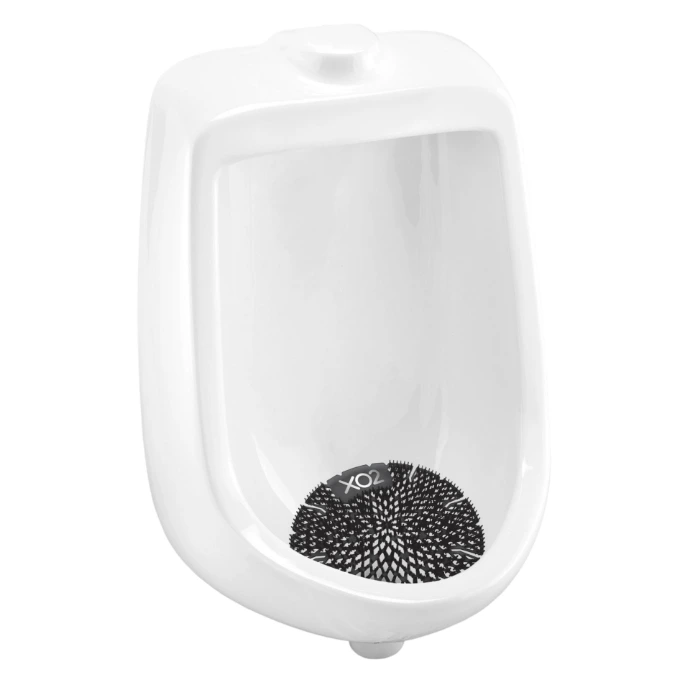
Problem:
Urinal odours
Best for: Male washrooms, sports facilities
Best product: Pee Off + Aussie Pearl
XO2 Category: Urinal Cleaning & Odour Elimination Products
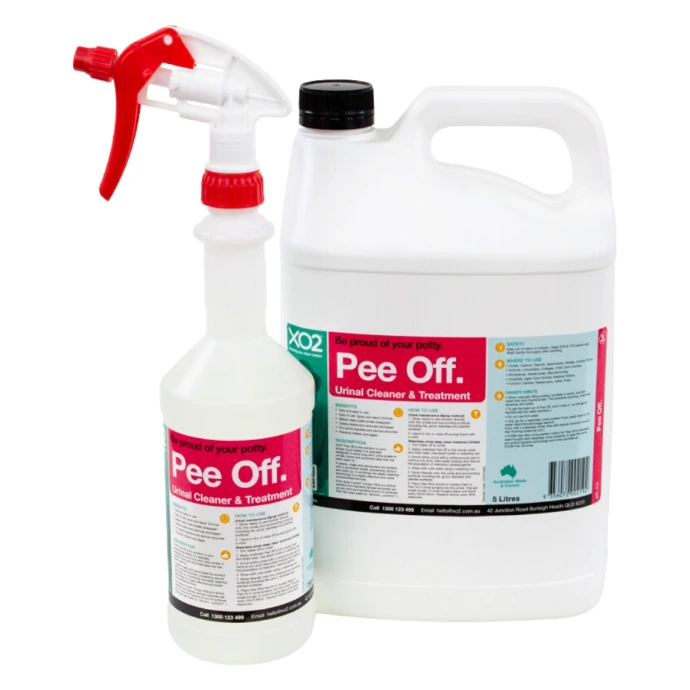
Problem:
Pet odours and urine accidents
Best for: Vet clinics, aged care, pet-friendly hospitality, pet hotels
Best product: Pee Off
XO2 Category: Pet & Urine Odour Eliminators
Problem:
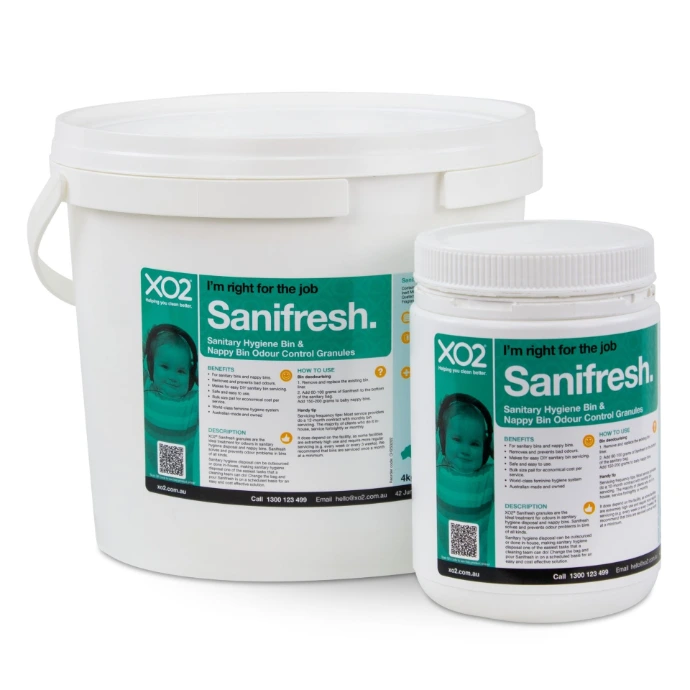
Sanitary bin odours
Best for: Female washrooms
Best product: Sanifresh + Disso
XO2 Category: Sanitary Hygiene Disposal Bins, Bags & Accessories
Problem:
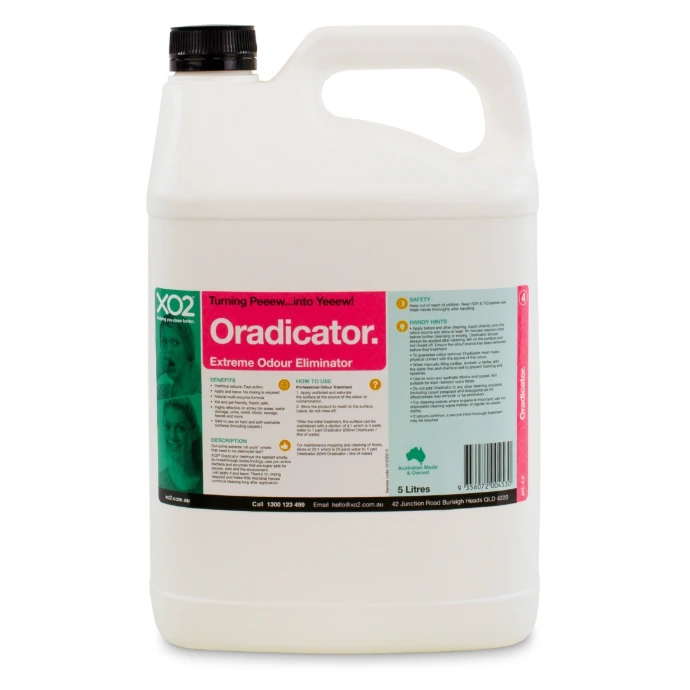
Flood, sewage and faeces odours
Best for: Decontamination
Best product: Oradicator
XO2 Category: Decontamination & Antimicrobial Treatments
Problem:
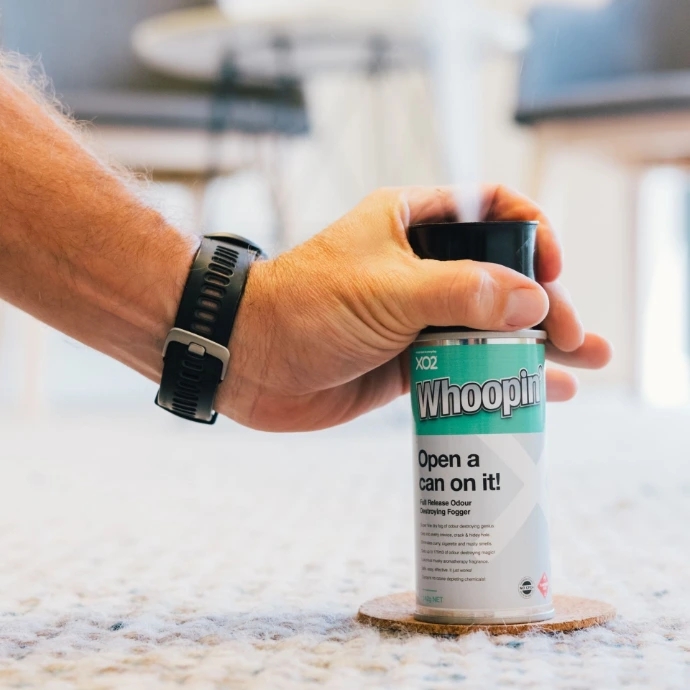
When nothing else works!
Best for: Extreme odours. When odour source can't be located.
Best product: Whoopin'
XO2 Category: Professional Odour Eliminators & Neutralisers
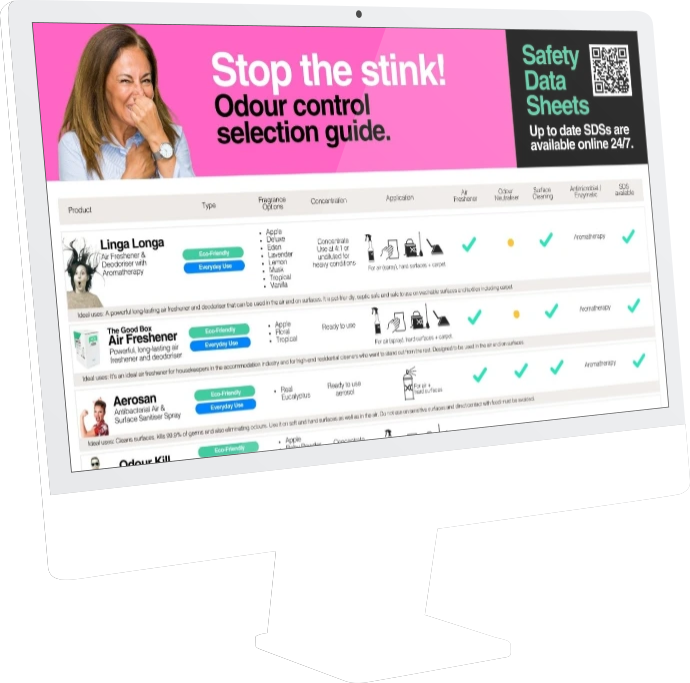
The XO2 Odour Control Selection Guide
Need help choosing the right professional odour control solutions for your business or facility? Find the right product everytime with this easy to follow 1-page comparison guide.
Getting the application right.
Here's the 4 steps to eliminating any bad odour and how to stop the stink from coming back.
1
Find the odour source.
Hunt it down. What stinks? Where is it coming from? Is it coming from a specific object or area? A rug, a piece of furniture, a bin, a bathroom? Why does it stink?
2
Clean the surface.
Improve the effectiveness of your odour control product by cleaning first. Sometimes, however, this is not possible.
3
Treat the odour with the right product.
Make sure that the odour removal product makes contact with the source of the odour for the required time.
4
Stay in control.
Have a cleaning routine that regularly tackles areas where smells build up.
Odour control by facility.

Schools + Childcare
High traffic washrooms, classrooms, nappy bins and tuckshops need low-toxicity, kid-safe products.

Healthcare + Aged Care
Incontinence-related odours and clinical areas call for products that work fast without a strong fragrance.

Hotels, Resorts + Accommodation
Guest rooms need odour control that's invisible. Guests should never know thatan odour problem has been treated.

Commercial Offices
Bathrooms and kitchenette area are the usual areas of odour control focus.
Gyms + Fitness Centres
Change rooms, mats and shared equipment get hit hard. Look at odour and surface disinfection treatments.
Professional Cleaners
It's a good idea to carry at least one multi-purpose odour eliminators to cover most odour problems.
Odour control categories.
Explore Australia's leading range of air fresheners and odour control products manufactured by XO2®.



Common questions
Here are some common questions about odour control and solving odour problems.
So, you’ve decided to tackle the smell. But what’s in your toolkit? There’s more out there than just a spray can! Here’s the lowdown on the different types of "stink-fighters" you’ll find:
The Smell-Fighting Toolkit
- Liquid Treatments: Including antimicrobials, enzymes, microbes (good bacteria like bacillus), disinfectants and fragrances. These can be applied by spray bottle, pump-up sprayer, foaming gun, mop, cloth or fogger.
- Granules: You sprinkle them into garbage, nappy or sanitary bins (eg. Sanifresh).
- Automatic Air Sanitiser Dispensers: These are the "set-it-and-forget-it" heroes. They’re programmed to spray a fine mist at set times, so washrooms and hallways stay smelling fresh without you having to do a thing.
- Odour Foggers (or "Bombs"): When a room is really bad, you use a fogger. You activate the can, leave the room, and a dry fog fills the space, getting into every crack and crevice. It’s super fast—perfect for getting a hotel room ready for the next guest.
- High-Tech Urinal Screens: Made from a specially engineered copolymer that is impregnated with organic odour treatment and fragrance compounds. Each screen lasts for weeks at a time.
- Bio-hazard Absorbents: This is for the nasty stuff (like blood, vomit, or spills). Products like "Suck It Up" makes cleanup way safer, stops the smell, and prevents the risks of slipping.
- Air Purifiers: These clean the air by trapping dust and particles. Just remember: they’re usually treating the air, not the source of the smell. If you have a rotting sandwich in the corner, a purifier might struggle!
- Odour Absorbers: These are like giant magnets for smells. They’re made from porous stuff—like activated charcoal, baking soda, diatomaceous earth (DE), coffee grounds, zeolite, clay, oats, silica gel—that traps smelly molecules inside so they stop floating around.
The "No-Go" List
- Carpet Deodoriser Powders: You know the ones—you shake them on and vacuum them up. We skip these because breathing in that dust can be bad for your lungs. There are much safer ways to treat carpets.
- Old-School Urinal Blocks: The old-fashioned pDCB blocks are not on our list. The main chemical in them is linked to some serious health issues (like cancer). Stick to the modern, safer options instead.
Yes — professional odour control operators often prefer them, for two reasons.
- the formula will not irritate sensitive noses, and...
- there's no perfume to hide behind. If a fragrance-free product has done its job, you know the odour is actually gone rather than just covered up.
Odour Kill Zero is XO2's hypoallergenic favourite — no fragrance, no colour dyes, nothing extra in the bottle... just the good stuff.
Methods of applying commercial odour control products vary according to the type of product being used (eg. granules, liquid) and the application (eg. problem solving, regular use, automatic use). Some of the methods include:
- Bottle with spray trigger or squirt cap - Find XO2's range of labelled bottles, triggers and lids here.
- Automatic spray dispenser (eg. Magnifi-Scent Automatic Air Freshener Dispenser Starter Kit)
- Bucket - Find XO2's range of buckets here.
- Mop and wringer bucket - Find XO2's range of mops here.
- Scoop - for granules
- Pump up sprayer (eg. Klager Foamya Pro 1.25L Handheld Pump Up Foam Sprayer)
- Foaming Gun (eg. XO2® Carrot Top - Chemical Foaming Gun with Adjustable Dilution)
- Carpet extraction machine
- Automatic floor scrubber
- Automatic misting systems
- Automatic dosing systems
- Ventilation — exhaust fans are essential.
- Routine cleaning with a high quality professional washroom cleaning products.
- Magnifi-Scent automatic air freshener dispenser, programmed to match your foot traffic.
- Urinal screens in every urinal.
- Sanitary bins serviced more often in warmer months — weekly is a good baseline — using a granule like Sanifresh.
- Drains treated on a weekly or monthly basis with Pee Off or Drain Relief, and...
- Sweet Lu Blue in the toilet cisterns — a small thing that makes a big difference, and the refills last about three months.
These 7 recommendations are a great place to start.
- Absorb the excess: Blot up as much urine as you can using a paper towel or an absorbent cloth.
- Apply the treatment: Saturate the stained area with a specialised urine odour remover, such as Pee Off. Ensure the product reaches the source of the odour.
- Let it work: Allow the product to dwell on the surface. Do not rinse it off; let it dry naturally to fully neutralise the odour.
Level 1: Keep it fresh (Green Light)
This is for day-to-day stuff. You want to make sure your space smells good all the time before a stink even starts.
- The Plan: Use things like automatic air freshener sprays or urinal screens.
- The Secret: Pick a scent that smells clean and fresh. At this level, the smell you choose is the most important part.
Level 2: The "Oops, something stinks" phase (Orange Light)
Okay, so the normal stuff isn't working, and you’ve got a real problem. Think bins, drains, or accidents that have started to pong.
- The Plan: You need a proper "odour-eliminator" treatment to zap the smell at the source.
- The Secret: Don’t bother with the fancy scents—they’ll just mix with the bad smell and make it worse. Look for a powerful formula that actually destroys or digests the odour.
Level 3: The "Call in the big guns" phase (Red Light)
This is for the serious, dangerous stuff. If the smell is from mould, floods, sewage, or something really gross, it’s not just smelly—it could be a health risk.
- The Plan: This is when you might need professional help or specialist products.
- The Secret: Forget the scents completely! You want the seriouc stuff (like "Oradicator", "Disso", "Odour Kill Zero" or a combination of these) to make sure the area is properly treated and safe again.
So, what level is your stinky situation? Is it green, orange, or red?
Ready to sort it out? Let’s get into it.For fast removal of extreme odours use the full-release Whoopin' odour treatment fogger/bomb. This is super popular for professional cleaners and managers in hotels, motels, apartments, AirBNBs and holiday parks. A full-release odour fogger/bomb gives a guaranteed result. Problem solved!
1. Ensure Site Safety
Before beginning, verify the environment is safe to enter. Be aware of the following risks:
- Biological Hazards: Contamination from floodwater.
- Structural and Electrical Hazards: Weakened building integrity or exposed wiring.
- PPE: Always wear appropriate personal protective equipment to protect yourself from contaminants.
2. Initiate the Drying Process
If safe to proceed, begin drying the area immediately:
- Remove damaged items: Clear out wet carpeting, furniture, and other absorbent objects.
- Extract water: Use a floor squeegee to push standing water toward a drain or collection point. Use a wet/dry extraction vacuum to remove remaining moisture.
- Ventilate: Deploy dehumidifiers and air movers to accelerate evaporation and prevent further moisture buildup.
3. Deep Clean
Once the bulk of the water is removed, clean the surfaces thoroughly:
- Clear the space: Ensure all large items are removed.
- Pre-wash: Remove loose debris and perform an initial rinse if possible.
- Sanitise: Wash down all affected surfaces using a heavy-duty foaming cleaner and sanitiser, such as ProFoam.
4. Decontaminate and Treat Odours
Treat surfaces to prevent mould growth and neutralise odors:
- Antimicrobial Treatment: Apply a hospital-grade antimicrobial disinfectant, such as Disso, to all surfaces.
- Mould Treatment: If mould growth persists, use a specialised mould treatment, such as iDestroy, to treat the surfaces directly.
5. Monitor and Maintain
Continue the drying process. Monitor the environment closely for lingering odours or signs of moisture, and reapply decontamination treatments as required.
Here are several strategies for managing indoor odours naturally:
Environmental & Preventive Measures
- Increase Ventilation: Open windows and doors to encourage fresh air circulation. Use exhaust fans to pull stale air out of the room.
- Control Humidity: High humidity can trap odours. Use a dehumidifier or an air conditioner to keep moisture levels down.
- Air Purification: Utilise an air purifier or incorporate air-purifying indoor plants such as aloe vera, spider plants, peace lilies, Chinese evergreens, and Boston ferns.
- Maintain Cleanliness: Consistent, thorough cleaning is the most effective way to prevent odours from accumulating.
Natural Absorbents & Fresheners
- Odour Absorbers: Place bowls of baking soda, white vinegar, activated charcoal, or used coffee grounds (especially effective for kitchen smells) near the source of the odour.
- Aromatherapy: Use an essential oil diffuser with eucalyptus, peppermint, or lemon oils to naturally freshen the air.
- Direct Application: Sprinkle baking soda on surfaces or mist lemon juice into the air to neutralise scents.
DIY Natural Recipes
Note: Effectiveness varies with homemade recipes. Always shake spray bottles thoroughly before use, and for surface cleaning, allow the solution to dwell for a few minutes before wiping.
- Air Freshener Spray: Mix 1–25 drops of essential oil (e.g., lemon, lavender, or tea tree) with water in a spray bottle.
- Surface Cleaner (Baking Soda & Lemon): Mix 1 tablespoon of baking soda, 1 cup of water, and the juice of one small lemon.
- Surface Cleaner (White Cleaning Vinegar): Mix 25 drops of essential oil with 1 cup of white cleaning vinegar.
- Carpet Deodorizer: Mix 1–25 drops of lavender or peppermint essential oil with 1 cup of baking soda. Sprinkle the mixture onto the carpet, leave it for a few hours, and vacuum thoroughly.
- Drain Cleaner: Pour equal parts of baking soda and white cleaning vinegar down the drain. Let the mixture sit for a few hours before rinsing with hot water.
That said, many people prefer clear or colourless options because they lack added dyes, which are often viewed as safer and less hazardous. Professional, hypoallergenic treatments, such as Odour Kill Zero, are formulated specifically without added dyes or fragrances.
It’s always fascinating hearing how people describe a bad smell—everyone has their own colourful way of putting it! Here are some of the most popular ways to say something stinks:
...stink, smelly, malodour, stench, reek, rank, whiff, foul, pong, peeew, funk, fumes, putrid, odoriferous, frowsty, musty, nasty, sickly, scent and odour.
We’re always looking to grow our collection. What words do you use to describe a bad smell? Did we miss any of your favourites?
We're here to help.
Give us a call on 1300 123 499 or send us a message if you're not sure which product fits your space — no lock-in contracts, no hard sell, just the right answer.

Related Resources
Selection Guides
Articles
- How to get rid of bad odours. For good!
- Everything You Need To Know About Urinal Maintenance In Men's Toilets
- How to Eliminate Septic Tank Odours and Maintain Your System Easily
- The Truth About Breathing Poo Particles In Bathrooms
- How To Clean & Disinfect Air Conditioners Like A Pro
Calculators
Products
- Odour Kill - Professional Odour Remover & Treatment
- Drain Relief - Drain Cleaner & Odour Treatment
- Oradicator - Professional Odour Eliminator with Proactive Bacteria & Enzymes
- Whoopin' - Full Release Odour Control Fogger / Bomb
- Aussie Pearl - 30-45 Day Urinal Deodorising Screen
- Pee Off - Urine Odour & Stain Remover For Dogs, Cats & Smelly Boys Toilets
- AeroSan - Antibacterial Air & Surface Sanitiser Spray
- Linga Longa - Air Freshener & Deodoriser With Aromatherapy
- Smart-Release Starter Kit - The 24/7 Automatic Air Freshener With No Sprays Or Batteries
- Septic Solver - Septic Tank and Aerated Wastewater Treatment System Maintainer
- Disso® Hospital Grade Disinfectant & Cleaner
- Sanifresh - Sanitary Hygiene Bin & Nappy Bin Odour Control Granules
- Gee Wizz - Awesome Urinal Blocks Minus The Nasties
- Magnifi-Scent Automatic Air Freshener Dispenser Starter Kit
- Trap Mate - Grease Trap Treatment, Cleaner and Maintainer
- Suck It Up - Bio-Hazard Absorbent Treatment for Vomit, Urine, Blood, Faeces & Liquid Spills
- Air Guardian - Air Conditioner Disinfection Treatment & Cleaner, Hospital Grade TGA Listed
Shop all Odour Control products →